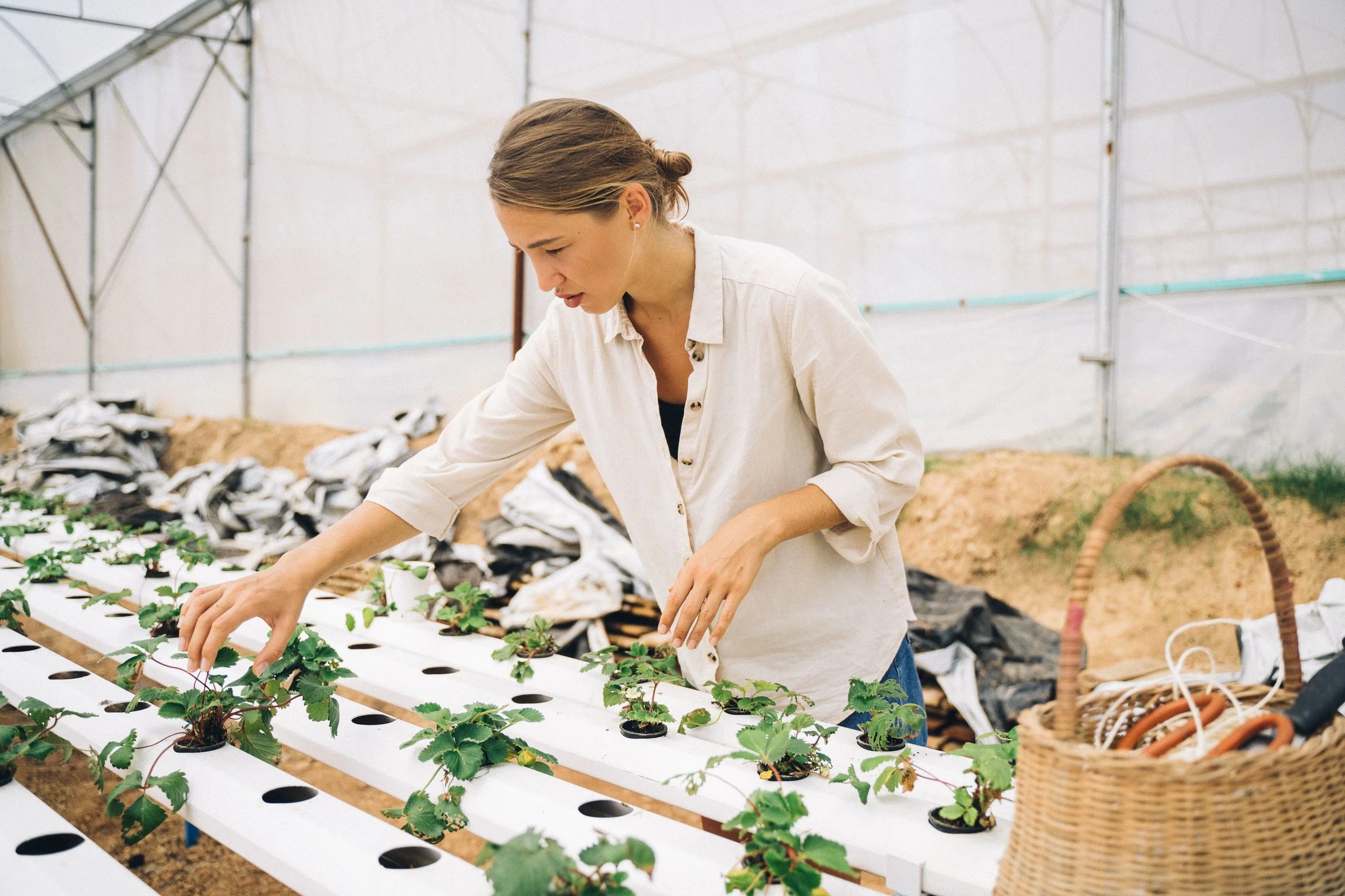
Faster Farm Product Approvals Mean IP Plans Need to Move Faster Too
New Zealand is streamlining approvals for agricultural compounds and veterinary medicines. For agricultural innovators, a faster path to market means patents, freedom to operate, trial data and commercial agreements may need to move faster too.

When investors enter a technology project, what are they actually investing in?
A company may own the project while relying on technology owned by somebody else. Licensing is a normal part of technology commercialisation, but investors need to understand exactly what rights the business has.
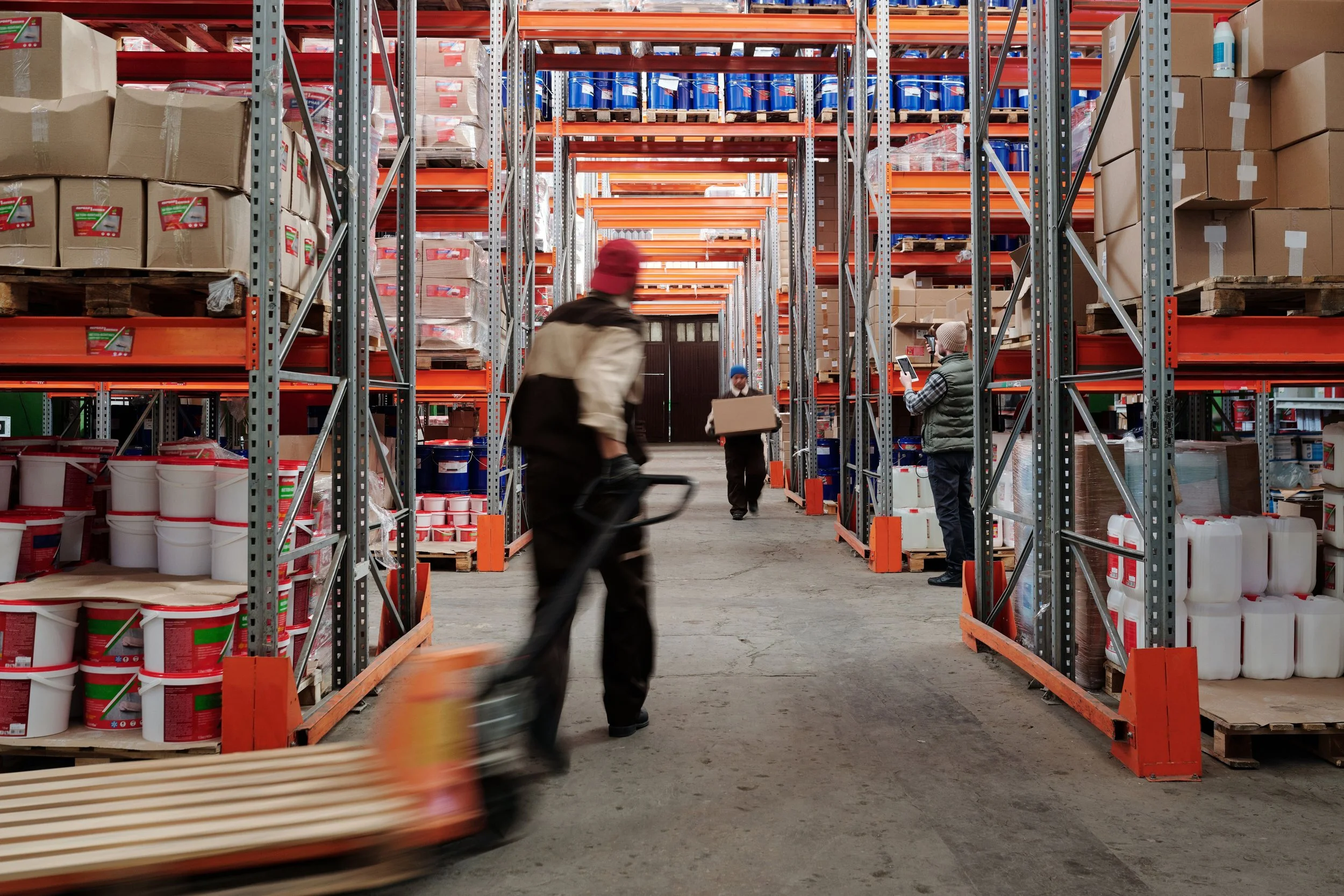
Getting into a major supply chain? Protect the know-how you build along the way
Winning a major supply contract can open new doors for regional manufacturers. But as businesses develop new processes, tooling and know-how for major customers, who owns the resulting IP? Clear contract terms can help protect the value your business builds along the way.
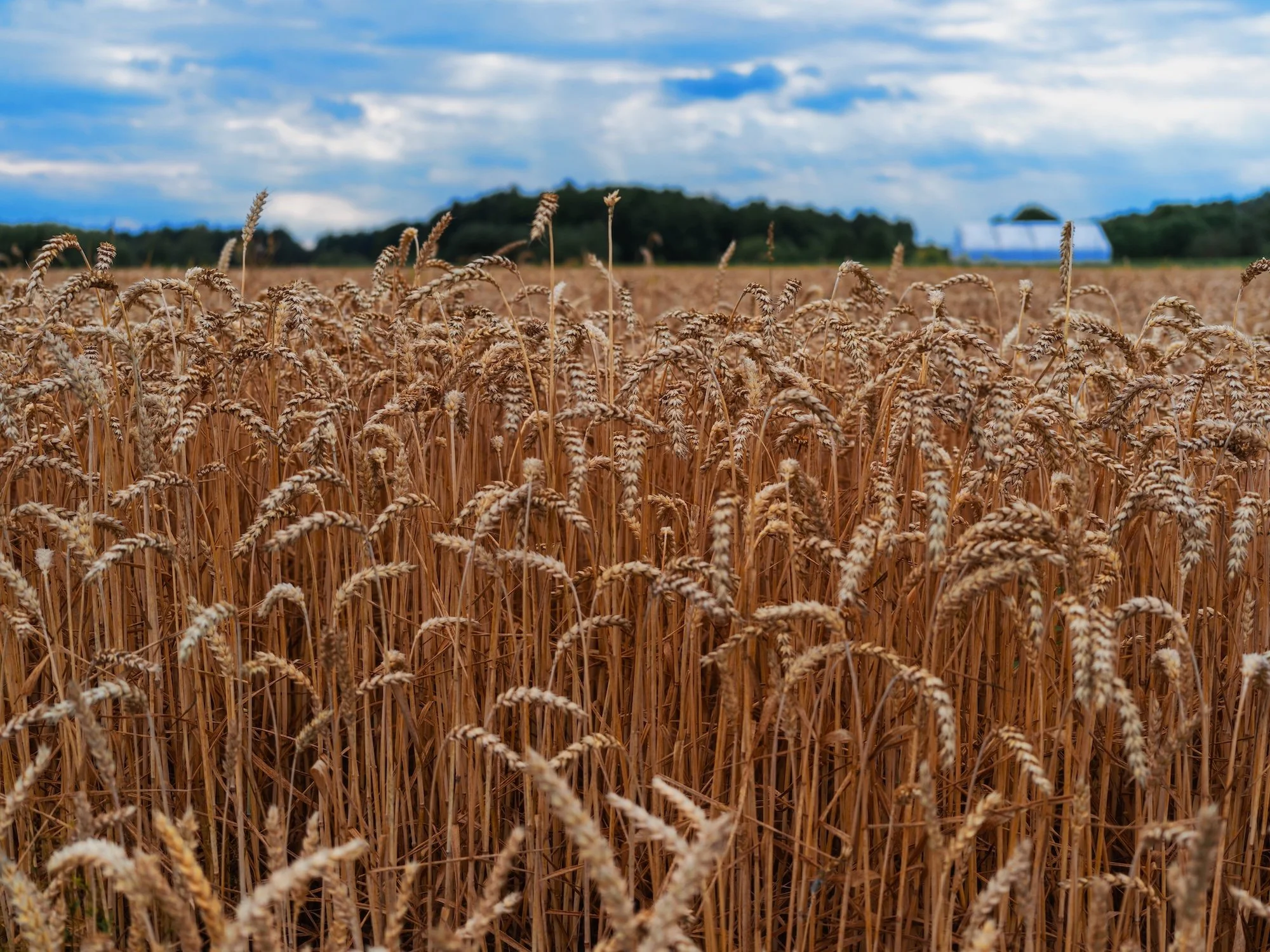
Ten Years to Market: What Protects a New Wheat Variety?
Developing a new crop variety takes time. For CSIRO’s new Hurdle wheat, it has taken around a decade of research, breeding and industry collaboration to reach the point of commercial release.
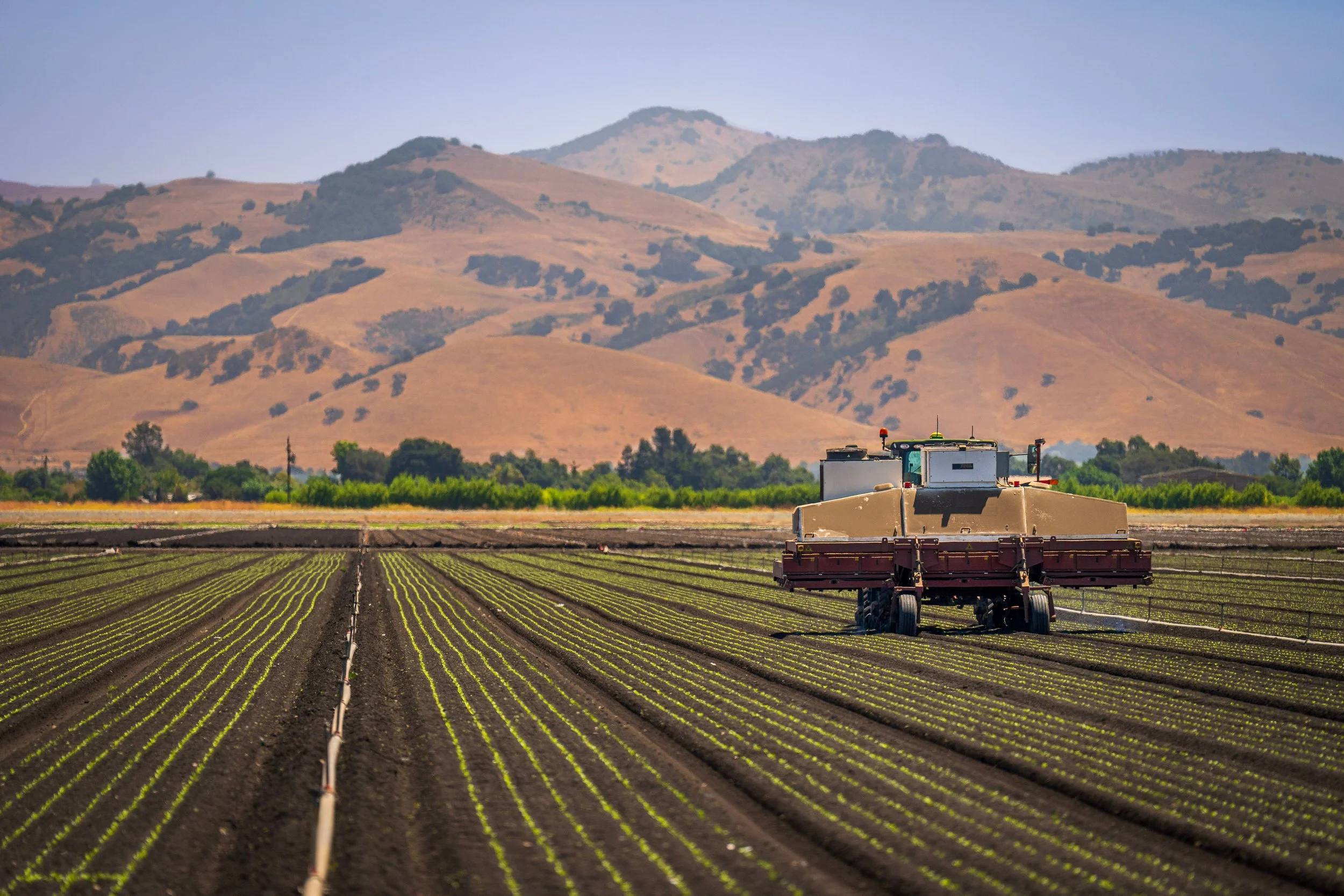
What SwarmFarm’s Henty win tells us about protecting agtech
SwarmFarm Robotics, which took out the 2026 Henty Machine of the Year Award for its AutoFill system, is a good example of why protecting agtech can involve much more than filing one patent.

Indonesia’s Mandatory Halal Rules Are Now a Trade Mark and Market Entry Issue
Indonesia’s expanding halal certification regime is changing how international businesses should approach trade mark protection and market entry. With major new requirements taking effect from October 2026, brand owners need to align trade mark, regulatory and commercialisation strategies.

Exporting wine or spirits to the UAE? There is a new trade mark opportunity
There is important news for regional wineries, distilleries and beverage producers selling into, or looking to enter, the United Arab Emirates.
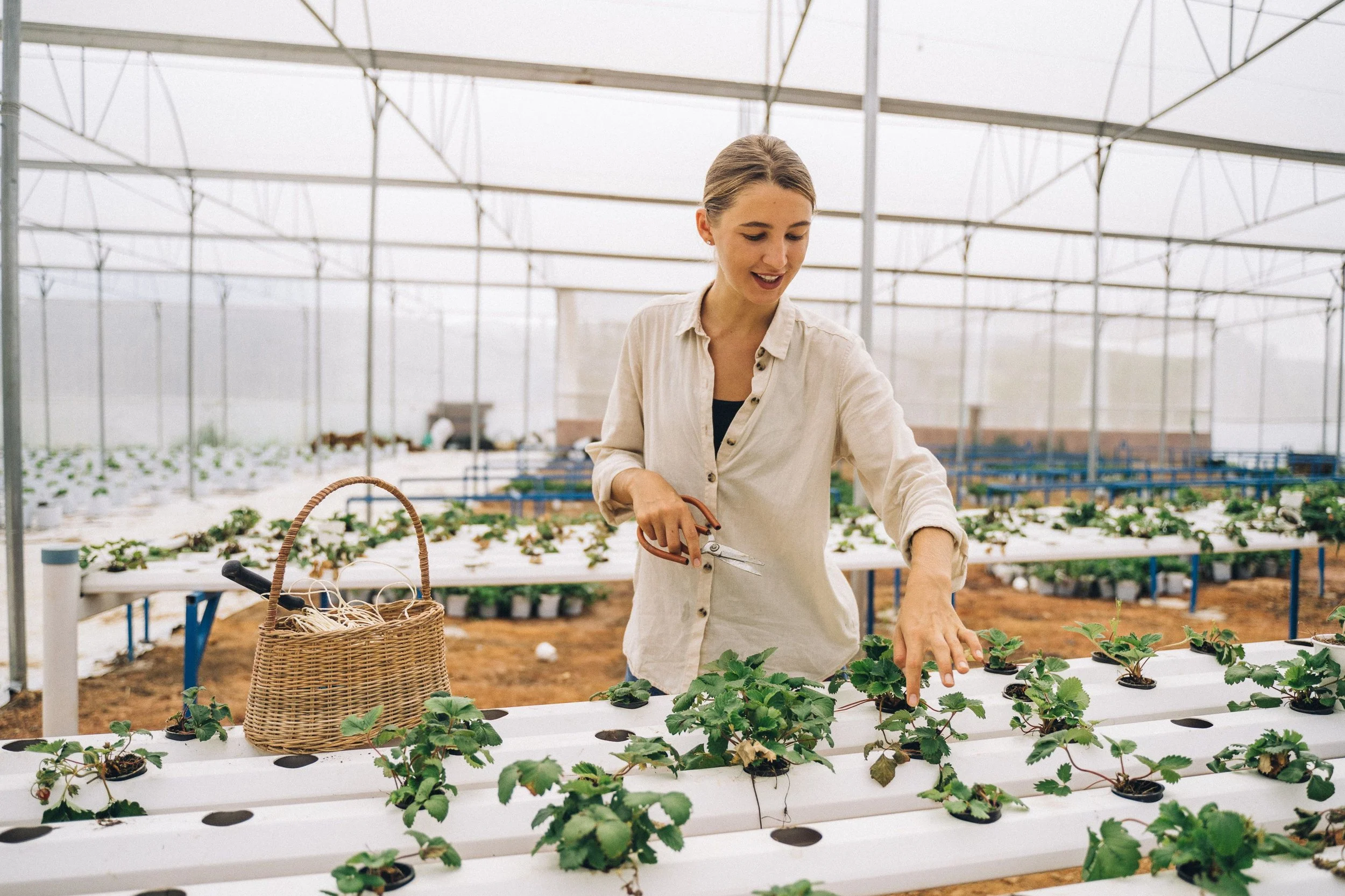
Plant Breeder’s Rights Explained for Australian Growers and AgTech Businesses
New plant varieties can represent years of breeding, testing and commercial investment. Plant breeder’s rights can help protect that value, but they are often only one part of the picture. For breeders, growers, nurseries and agtech businesses, early planning around PBRs, trade marks, confidential information, licensing and overseas protection can make a significant difference.

Going into Southeast Asia? Check your IP before you check your flights
Hunter businesses looking to grow into ASEAN markets should think about intellectual property early. Trade marks, patents, confidential know-how and commercial agreements can all become more complicated overseas, so understanding what you own and what needs protecting before entering a new market can save significant time and cost later.

Trade Mark Classes Explained: How to Choose the Right Classes
Choosing the right trade mark classes is an important part of protecting your brand. We explain how trade mark classes work, why the goods and services you select matter, and what businesses should consider before filing an application.
Your most valuable business assets may not be on the balance sheet
For many businesses, the assets creating the most value are not physical. Brands, software, technology, data, designs and know-how can all be critical intangible assets. We look at why identifying, owning and protecting that IP matters for growth, investment and business value.
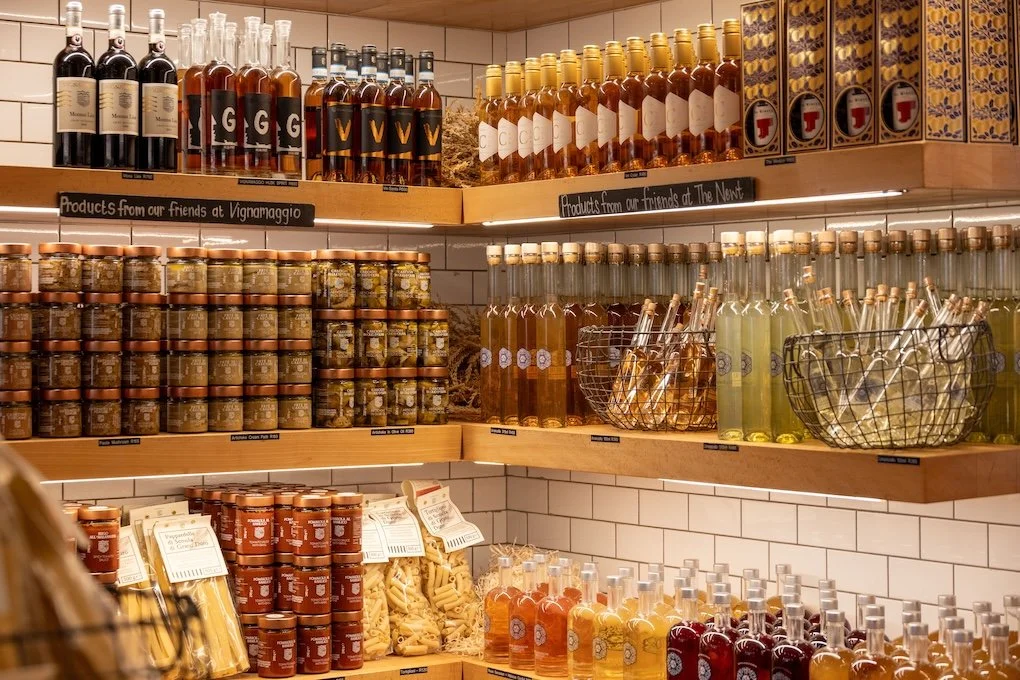
How to protect a new food product before approaching retailers
Before approaching retailers, distributors or manufacturers, food businesses should make sure their IP foundations are in place. From trade mark protection and confidential recipes to packaging, ownership and supplier agreements, a few early checks can help avoid costly problems as a product moves into larger markets.

What the Glasgow 2026 Commonwealth Games Can Teach Australian Brands About Trade Mark Strategy
Glasgow 2026 shows why businesses need a practical international trade mark strategy that protects key growth markets without wasting budget.

Employee inventions in regional businesses: who owns the idea?
Who owns the ideas your employees or contractors create? Learn how IP ownership works for inventions, designs and creative work in regional businesses, and why clear contracts matter.
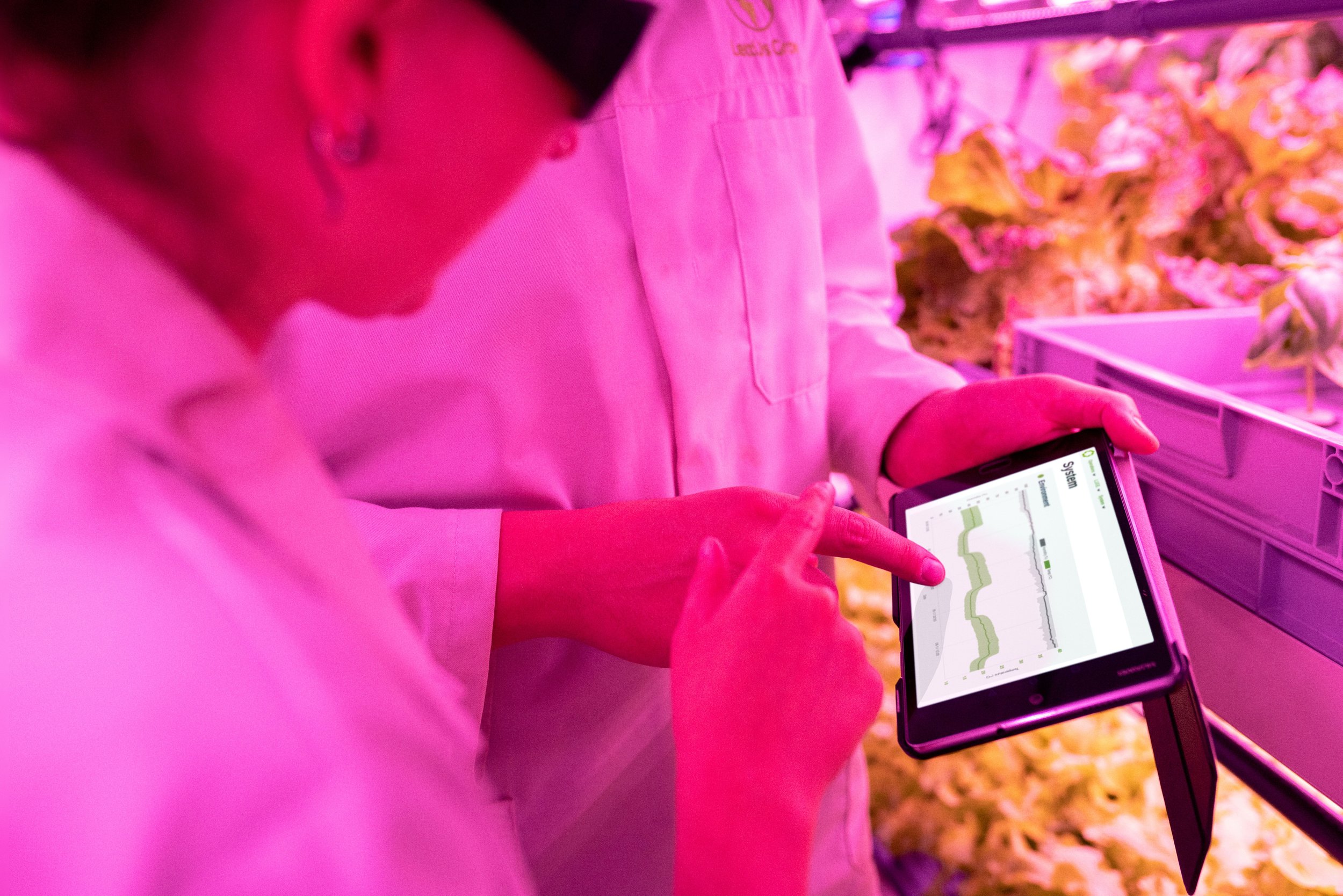
From shed invention to saleable product: how to turn practical innovation into IP
Learn how regional innovators can turn shed-built inventions into valuable IP by documenting development, protecting confidentiality, clarifying ownership and securing the brand early.

Trade secrets on the farm: what should you keep confidential instead of patenting?
Not every valuable idea needs to be patented. In some cases, the better strategy is to keep the information confidential as a trade secret.
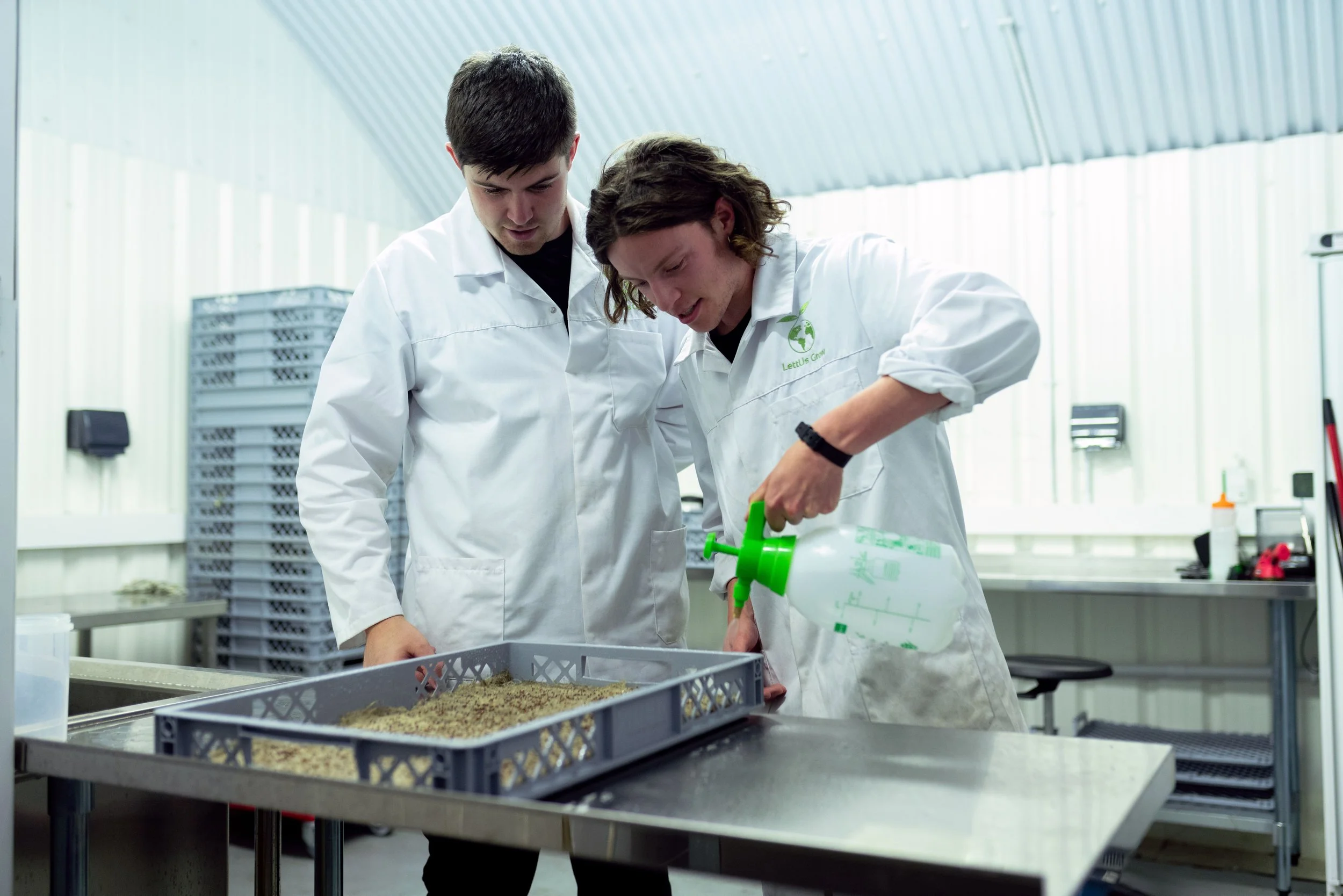
Field trials and IP: what agtech businesses should agree before testing on farm
Field trials can expose agtech businesses to IP, data and confidentiality risks. Learn what to cover in an agreement before testing begins.
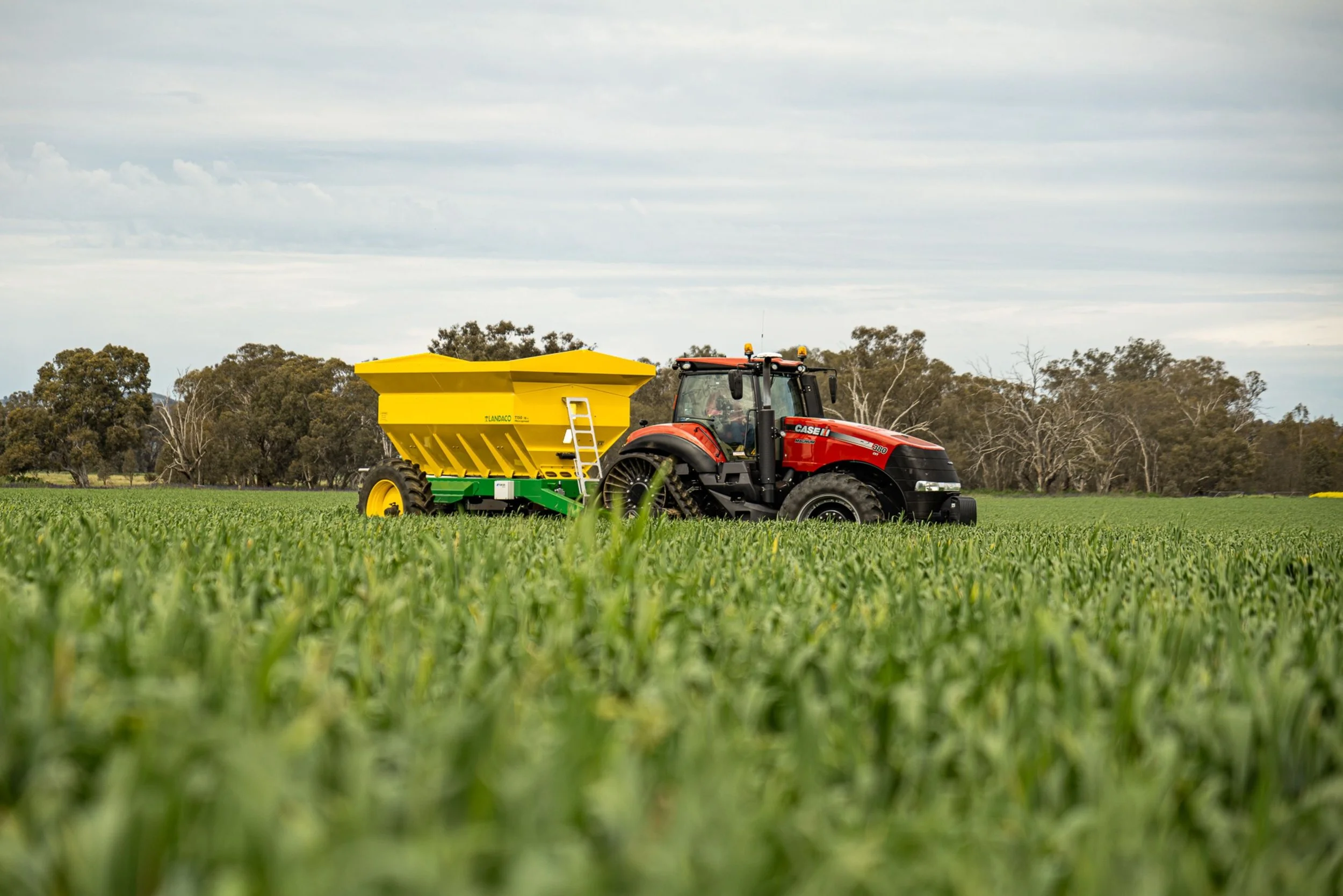
The IP checklist every farm machinery business should run before launch
Farm machinery innovation is often built from practical experience. But before launching a new piece of equipment, it is worth checking whether the intellectual property is protected.

The Hidden Asset Register: IP and Succession
Why capturing your intellectual property could decide whether your business sells at all.

Who owns the IP when a farmer, engineer and contractor build something together?
Who owns the IP when farmers, engineers and contractors collaborate? Learn why clear ownership agreements matter before an idea gains commercial value.